






Diseases & Conditions
Herniated Disk in the Lower Back
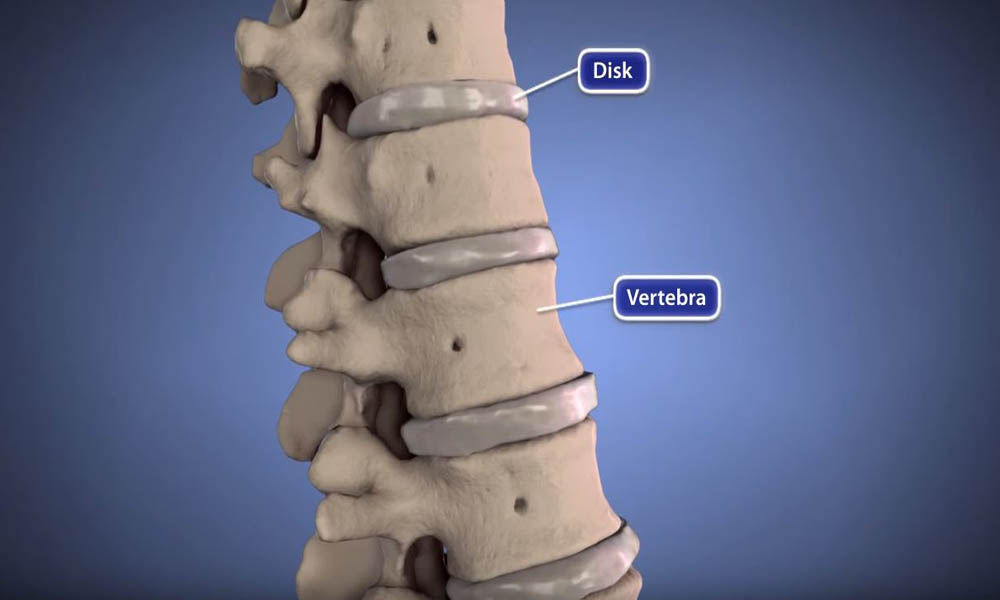
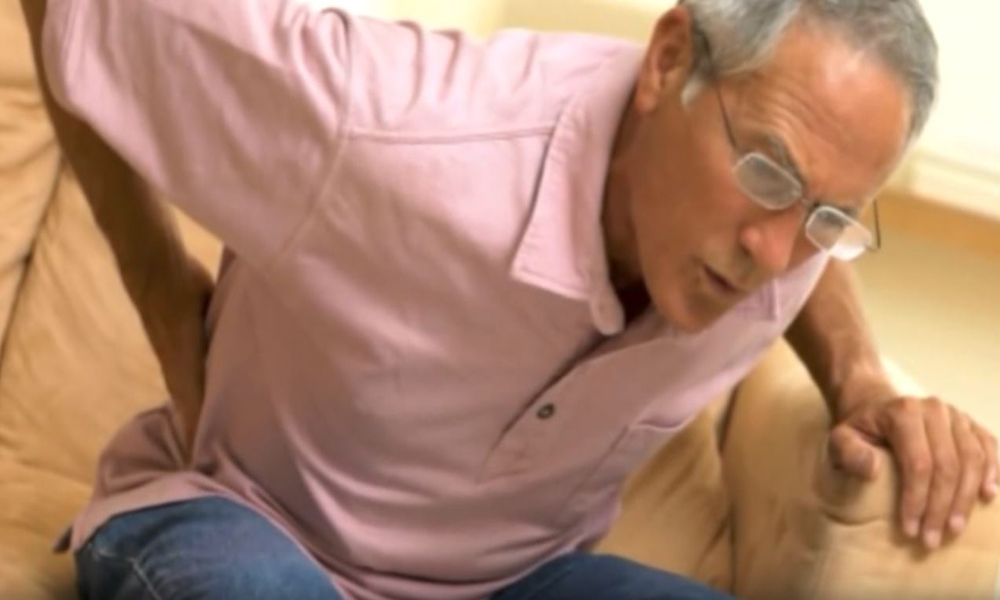
A herniated disk, sometimes called a slipped or ruptured disk, happens when one of the soft cushions between the bones in your spine becomes weak and moves from its normal position. This can occur anywhere along the spine but most often happens in the lower back (lumbar spine).
Disk herniation is a common cause of lower back pain and leg pain, also called sciatica.
About 60 to 80% of people have lower back pain at some point in their lives. Sometimes, this pain is caused by a herniated disk.
Even though a herniated disk can be very painful, most people feel better within a few weeks or months without surgery.
Anatomy of the Spine
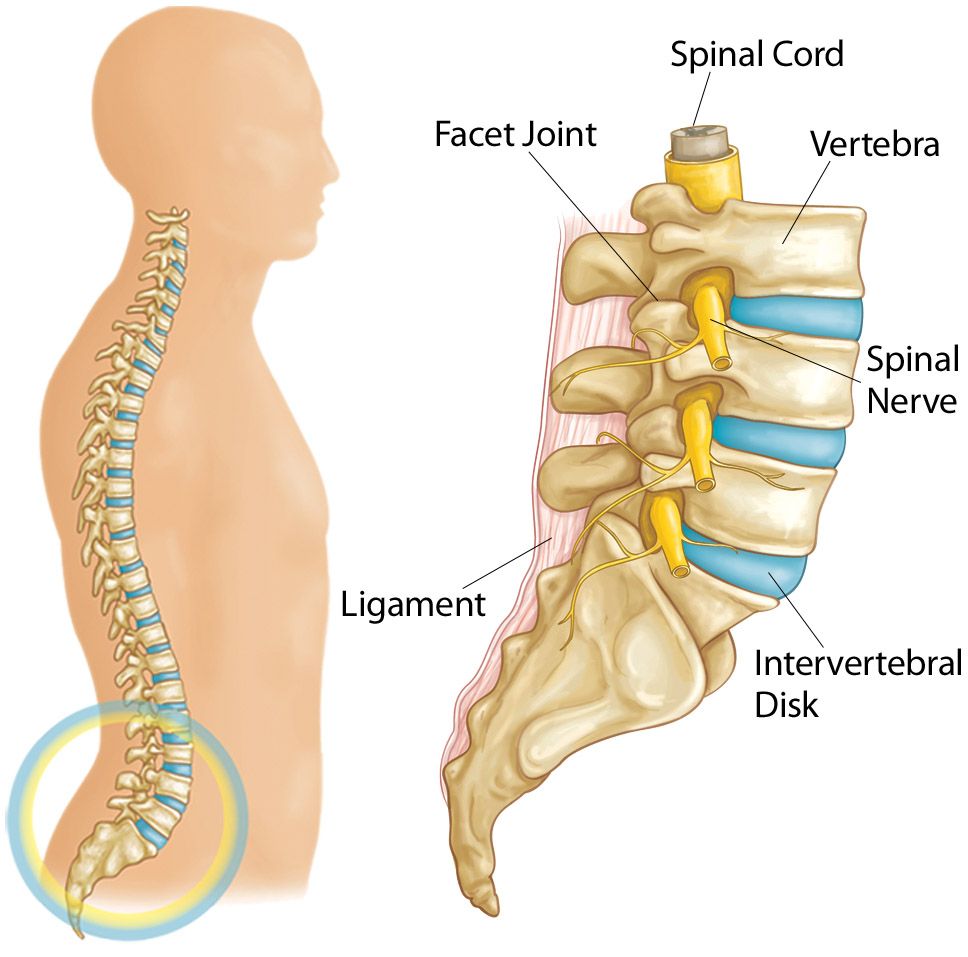
The spine is made of 24 bones called vertebrae. These bones are stacked on top of each other and protect the spinal cord, which carries messages between your brain and your body.
Nerve roots branch out from the spinal cord through openings in the vertebrae called foramen.
The lower part of your spine is called the lumbar spine. It has five vertebrae.
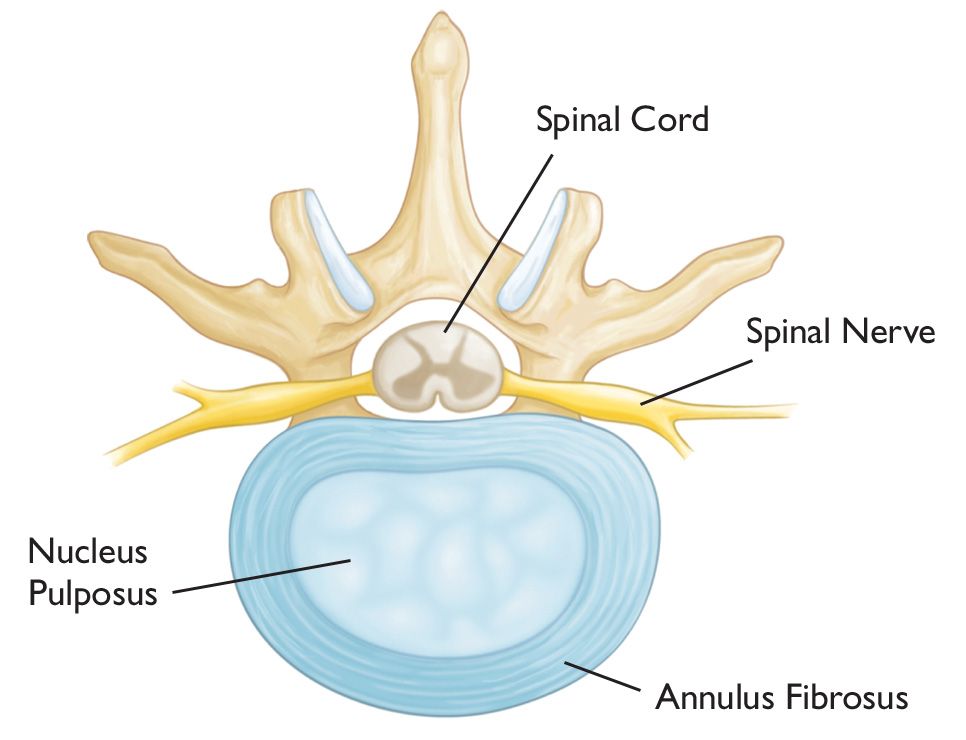
Intervertebral disks. Between each vertebra is a soft, round cushion called an intervertebral disk. These disks act like shock absorbers when you walk, run, or jump. Each disk has two main parts:
- Annulus fibrosus. This is the tough, flexible outer ring.
- Nucleus pulposus. This is the soft, jelly-like center.
What Is a Herniated Disk?
A herniated disk happens when the soft, jelly-like center of the disk pushes through the tough outer ring. This can happen slowly over time from wear and tear or suddenly after an injury. This pressure against the outer ring may cause lower back pain.
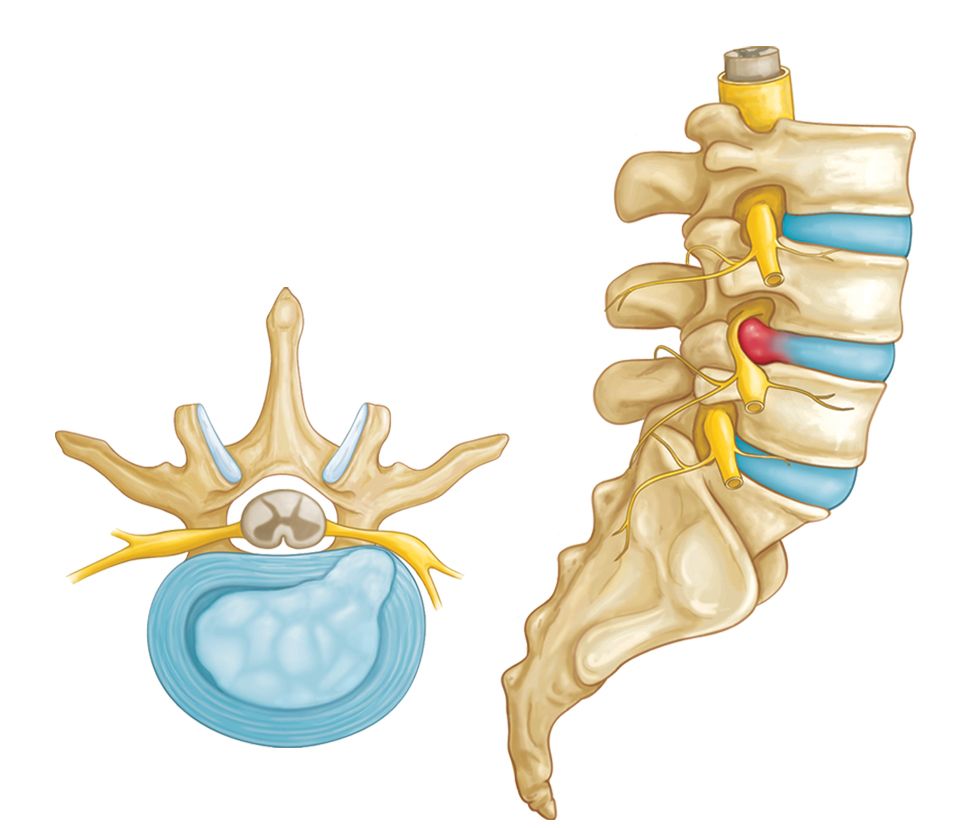
If the pressure continues, the jelly-like center may push all the way through disk's outer ring (rupture) or cause the ring to bulge (slip). This puts pressure on the spinal cord and nearby nerve roots.
Not only does this disk protrusion cause mechanical compression (or squeezing) of the nerves, but the disk material also releases chemical irritants that contribute to nerve inflammation. This may cause pain, numbness, and/or weakness in one or both of your legs, a condition called sciatica.
Causes of a Herniated Disk
A herniated disk is most often the result of natural, age-related wear and tear of the spine. This process is called disk degeneration.
In children and young adults, disks have high water content. As people age, the water content in the disks decreases and the disks become less flexible. The disks begin to shrink and the spaces between the vertebrae become narrower. This makes the disks more likely to tear or bulge.
A traumatic event, such as a fall, can also cause a herniated disk.
Risk Factors for a Herniated Disk
Certain factors may increase your risk of a herniated disk. These include:
- Gender. Men between the ages of 20 and 50 are the most likely to suffer from a herniated disk.
- Improper lifting. Using your back muscles instead of your legs to lift heavy objects can cause a herniated disk. Twisting while you lift can also make your back vulnerable. Lifting with your legs, not your back, may protect your spine.
- Weight. Being overweight puts added stress on the disks in your lower back.
- Repetitive activities that strain your spine. Many jobs are physically demanding. Some require constant lifting, pulling, bending, or twisting. Using safe lifting and movement techniques can help protect your back.
- Frequent driving. Staying seated for long periods of time, plus the vibration from the car engine, can put pressure on your spine and disks.
- Sedentary (not active) lifestyle. Regular exercise is important in preventing many medical conditions, including a herniated disk.
- Smoking. It is believed that smoking lessens the oxygen supply to the disk and causes more rapid degeneration. Learn more: Smoking and Musculoskeletal Health
Symptoms of a Herniated Disk
In most cases, lower back pain is the first symptom of a herniated disk. This pain may last for a few days, then improve. Other symptoms may include:
- Sciatica. This is a sharp, often shooting pain that travels from the buttock down the back of one leg. It is caused by pressure on the spinal nerve.
- Numbness or a tingling sensation in the leg and/or foot.
- Weakness in the leg and/or foot.
- Loss of bladder or bowel control. This is extremely rare and may be the sign of a more serious problem called cauda equina syndrome. This condition is caused by the spinal nerve roots being compressed. It is a medical emergency that requires immediate attention.
Diagnosing a Herniated Disk
Medical History and Physical Examination
After discussing your symptoms and medical history, your doctor will perform a physical examination. The exam may include the following tests:
- Neurological examination. A neurological examination will help your doctor determine if you have any muscle weakness or loss of sensation (numbness). During the exam, your doctor will:
- Check the muscle strength in your lower legs by assessing how you walk on both your heels and toes. Muscle strength in other parts of your body may also be tested.
- Assess for loss of sensation by checking whether you can feel a light touch on your leg and foot.
- Test your reflexes at the knee and ankle. These may sometimes be absent if there is a compressed nerve root in your spine.
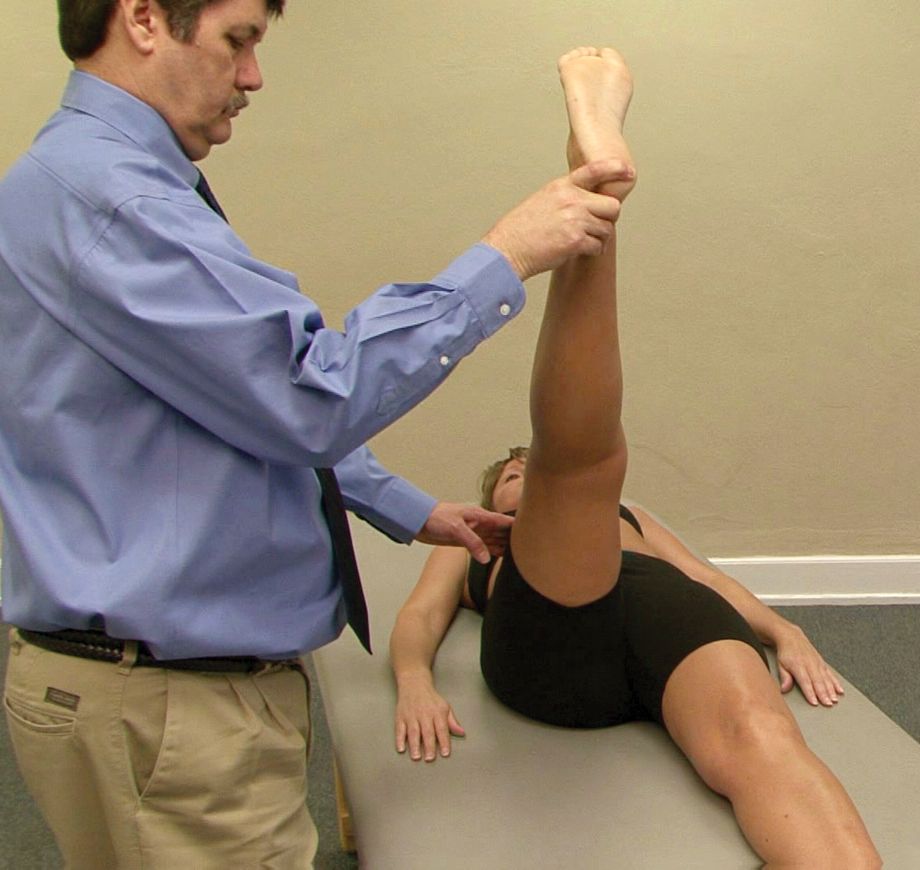
- Straight leg raise (SLR) test. This is a specialized test to predict if there is a disk herniation, especially in younger patients. During the test, you lie on your back and your doctor carefully lifts your affected leg. Your knee stays straight. If you feel pain in your leg that travels below the knee, it is a strong sign that you have a herniated disk.
Imaging Tests
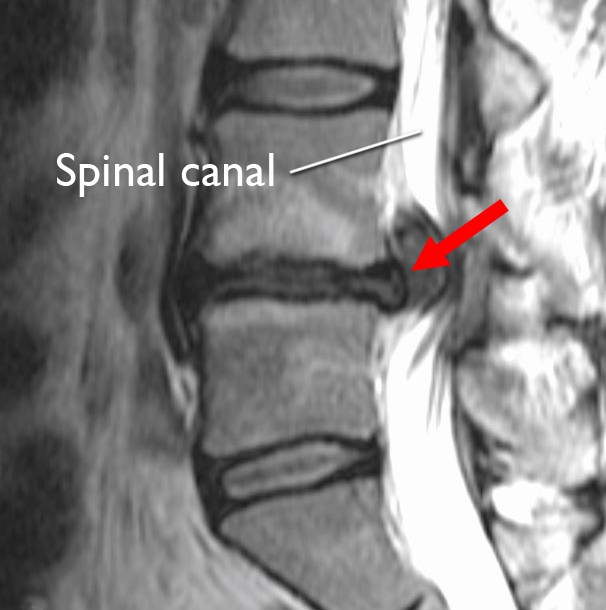
Magnetic resonance imaging (MRI) scan. MRI scans provide clear images of the body's soft tissues, including intervertebral disks. Your doctor may order an MRI scan to help confirm the diagnosis and to learn more about which spinal nerves are affected.
If you are unable to tolerate an MRI scan, your doctor may instead order a computed tomography (CT) scan or a CT myelogram.
Treatment for a Herniated Disk
For most patients, a herniated disk will slowly improve over a period of several days to weeks. Typically, most patients are free of symptoms by 3 to 4 months. However, some patients do experience episodes of pain during their recovery.
Nonsurgical Treatment
Initial treatment for a herniated disk is usually nonsurgical.
Nonsurgical treatment may include:
Rest. One to 2 days of bed rest will usually help relieve back and leg pain. Do not stay off your feet for longer, however. When you resume activity, try to do the following:
- Take rest breaks throughout the day but avoid sitting for long periods of time.
- Make all your physical activity slow and controlled (steady), especially bending forward and lifting.
- Change your daily activities to avoid movements that can cause further pain.
Nonsteroidal anti-inflammatory drugs (NSAIDs). Anti-inflammatory drugs such as ibuprofen or naproxen can help relieve pain.
Physical therapy. Specific exercises will help strengthen your lower back and abdominal muscles.
Epidural steroid injection. An injection of a cortisone-like medicine into the space around the nerve may provide short-term pain relief by reducing inflammation.
There is good evidence that epidural injections can successfully relieve pain in many patients who have not been helped by 6 weeks or more of other nonsurgical care.
There is some data to suggest that epidural steroid injections within 3 months of surgery can slightly increase your risk of infection. Discuss these risks with your surgeon.
It is important to note that these nonsurgical treatments do not heal the herniated disk. Rather, they can help relieve your symptoms while your body works to heal the disk. In many cases, the disk herniation naturally dissolves over time and is absorbed by the body.
Surgical Treatment
Only a small percentage of patients with lumbar disk herniations require surgery. Spine surgery is typically recommended only after a period of nonsurgical treatment has not relieved painful symptoms, or for patients who are experiencing the following symptoms:
- Muscle weakness
- Difficulty walking
- Loss of bladder or bowel control
Microdiskectomy. The most common procedure used to treat a single herniated disk is called a microdiskectomy. The procedure is done through a small incision at the level of the disk herniation and often involves the use of a microscope.
The herniated part of the disk is removed along with any additional fragments that are putting pressure on the spinal nerve.
Endoscopic diskectomy. A newer surgical option for treating a single herniated disk is endoscopic diskectomy. This minimally invasive procedure involves the use of an endoscope, a thin tube with a camera, which allows the surgeon to visualize and access the affected area. This approach is similar to the arthroscopic approach commonly used in knee, hip, and shoulder surgery.
Potential benefits of endoscopic diskectomy include:
- Smaller incisions
- Reduced scarring
- A shorter recovery time
You may need an open surgical procedure with a larger incision if you have disk herniations at more than one level.
Rehabilitation. Your doctor or a physical therapist may recommend a simple walking program (such as 30 minutes each day), along with specific exercises to help restore strength and flexibility to your back and legs.
To reduce the risk of repeat herniation, you may be prohibited from bending, lifting, and twisting for the first few weeks after surgery.
Considerations
With both surgical and nonsurgical treatment, there is up to a 20 to 25% chance that the disk will herniate again in your lifetime.
The risk of nonsurgical treatment is that your symptoms may take a long time to go away. Patients who try nonsurgical treatment for too long before choosing to have surgery may have less improvement of pain and function than those who choose to have surgery earlier.
Studies suggest that at around 9 to 12 months, the surgical outcomes (results) are not as beneficial as if you have surgery before 9 months. Your doctor will talk to you about how long you should try nonsurgical treatments before considering surgery.
Surgical risks. There are minor risks associated with every surgical procedure. These include bleeding, infection, and reaction to anesthesia.
Specific complications from surgery for a herniated disk include:
- Nerve injury
- Infection
- Tear of the sac covering the nerves (this is called a dural tear)
- Hematoma (a pooling of blood outside of blood vessels) causing nerve compression
- Recurrent disk herniation (the disk herniates again)
- Need for further surgery
Outcomes
Overall, the results of microdiskectomy surgery are generally very good. Patients tend to see more improvement in leg pain than back pain. Most patients are able to get back to their normal activities after a recovery period. Typically, the first symptom to improve is pain, followed by overall leg strength, and, finally, sensation.
While the early results of endoscopic diskectomy are promising, spine surgeons will continue to advance the technique. Long-term outcomes and effectiveness of endoscopic diskectomy compared to open surgery are still being studied.
In recent years, there has been extensive research on the treatment of disk herniation. Your doctor will be able to talk to you about the advantages and disadvantages of both surgical and nonsurgical treatment.
Contributed and/or Updated by
Peer-Reviewed by
AAOS does not endorse any treatments, procedures, products, or physicians referenced herein. This information is provided as an educational service and is not intended to serve as medical advice. Anyone seeking specific orthopaedic advice or assistance should consult his or her orthopaedic surgeon, or locate one in your area through the AAOS Find an Orthopaedist program on this website.